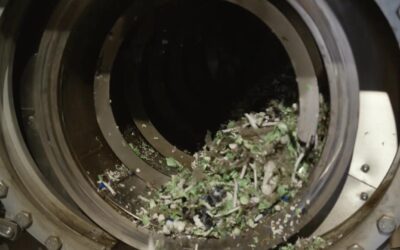
At MYGroup, we’re tackling one of the most destructive forms of marine pollution threatening our coastline. Through our partnerships, we’re able to intercept thousands of tonnes of discarded fishing gear before it reaches the ocean and removing what’s already there.
The Hidden Threat Beneath the Waves
When we think about ocean plastic, we often picture bottles and bags. But fishing gear tells a far more alarming story. Research surveying 870 discarded nets found 32,000 animals trapped within them a stark reminder of how efficiently this waste entangles and kills marine life.
The numbers are sobering:
- 4,500 tonnes of fishing gear becomes waste in the UK every year
- Another 7,000 tonnes of aquaculture equipment joins it annually
- Approximately 60,000 tonnes of fishing gear is currently in use across the UK
- Abandoned fishing gear accounts for roughly one third of marine litter in European seas
The Infrastructure Problem
There is a critical gap that’s making the problem worse. Fewer landfills are accepting fishing gear, leaving harbours without disposal options. When fishers have nowhere to take old nets and equipment, it’s more likely to end up in our waters. We’re working to change that.
Our Two-Pronged Solution
Prevention at the harbour:
We’re working directly with charities and fishermen/anglers, providing practical end-of-life solutions for their gear. By intercepting fishing equipment at harbours before it enters the sea, we’re stopping the problem at source.
Recovery from the coastline:
We’re supporting clean-up efforts across the UK to remove fishing gear that’s already in our waters. This includes challenging operations across remote Scottish islands, where the scale of fishing-related waste is particularly evident.
Working With, Not Against
The most effective solutions come from collaboration.
Real Impact, Measurable Results
From the east coast of England to Scotland’s remote islands, we have been present supporting environmental charities and other partners. This we forsee will continue.
When research shows 32,000 animals trapped in just 870 nets, the urgency becomes clear. Each successful intervention multiplies across ecosystems.
Building for the Future
This isn’t just about immediate cleanup. We’re building the infrastructure for lasting change creating sustainable systems for fishing gear disposal and recycling that will protect UK waters long-term.
By addressing both prevention and recovery, we’re tackling the fishing gear crisis comprehensively. It’s practical, collaborative work that’s already making our coastline cleaner and our marine life safer.
Together with our partners, we’re proving that with proper support and infrastructure, end-of-life fishing gear can be kept out of the ocean – protecting thousands of marine animals that would otherwise face entanglement.