
The MYGroup
From humble beginnings...A brief history of MYgroup
Who would have thought that a private family joke would go on to be one of the most valuable assets to a family business – a family business that would go on to be one of the largest and most innovative waste recycling companies in the region?
That joke was that company founder David Carrie and his wife were “tight Yorkshire folk”, and by tight, we mean frugal!
Starting out from very humble mining town roots, they were taught to value everything, make do and mend, and never waste. It was this ethos that went on to set us apart from all other waste recycling firms.
Starting out in scrap metal trading, David’s reputation of great customer service, honesty and reliability meant he quickly outgrew his first site, which led to him acquiring a larger facility (what is now our Sherburn MRF) and with it adopting a small skip hire round
I suppose, even back then, I could see that the unsustainable plundering of the world’s raw materials and energy would one day not make sense to anyone and waste would have to be looked at differently. We managed to find a use for each fraction of waste in that skip, giving it a new life, rescuing it from landfill and saving further natural resources in the process – the rubble filled pot holes around site, the wood fuelled the wood burning stove and heated our offices.
Simple, small steps which form our core ethos as a company to this day; a way of doing things differently which at the time predated environmental legislation, or red tape, which many years later forced all waste producers and waste companies to adopt similar practises.
That early foresight and genuine desire to not simply dump materials which could be re-used, recycled and at the very worst turned into energy, meant that Mytum & Selby would always be ahead in the statutory landfill diversion race. It was the very thinking behind each facility that we’ve acquired and every business investment made is always centred around achieving zero waste to landfill – providing our customers with a true one-stop-shop for their waste that they could feel confident in and good about.
We have always been passionate – even compulsive! – about finding solutions to even the most difficult wastes; our company has grown a reputation for loving a challenge, covering every industry sector and almost every waste type imaginable. We’ve been there, done it, diverted it from landfill, and have the licensed facilities, processes and an impressive customer base including small tradesmen, some of the biggest names in manufacturing and right through to government agencies, to prove it.
Mytum & Selby has grown over the years, both as a family and as a business, with four large strategically located state-of-the-art recycling centres in Yorkshire & Humber; over 750,000 tonnes per annum waste processing capacity and too many processes to mention here. Processing and end use for waste under one roof is a simple, secure way for businesses to meet their environmental and legislative goals.
Our considerable investment in waste technologies across our own sites has made us one of the few waste management companies in the country who can offer true total waste management without the need to pass any of your waste on – or broker it out – giving our customers true peace of mind every step of the way.
We thought it was time to update our image a little to reflect who we are as a company today and what we can offer; MYGroup is the new face of Mytum & Selby Waste Recycling Ltd. A brand we feel reflects the size and capability of our company and our ethos that waste is everyone’s responsibility – each step of the way, each individual – it’s not your waste, or their waste, it’s MY waste, MY responsibility.
We are still the same passionate family; the same dedicated and expert team; the same great service you’ve always known and loved us for. Our ethos hasn’t changed and we’re holding on to David’s ingenuity and passion for waste innovation. We are very proud of our 30+ year history and our ongoing dedication to honest waste management – we’ve just had a lick of paint and have lots of new and innovative processes, services and exciting developments to tell you about!
We want to close the loop on all your waste – recycling, reusing and replacing raw materials.
Zero landfill is key to a carbon-reduced future – not just by saving landfill space and emissions – but by reducing the dependency on fossil fuels.
A balance needs to be made when using waste to generate power – direct incineration leads to the loss of valuable waste materials, without the pre-processing of waste.
Our other sites
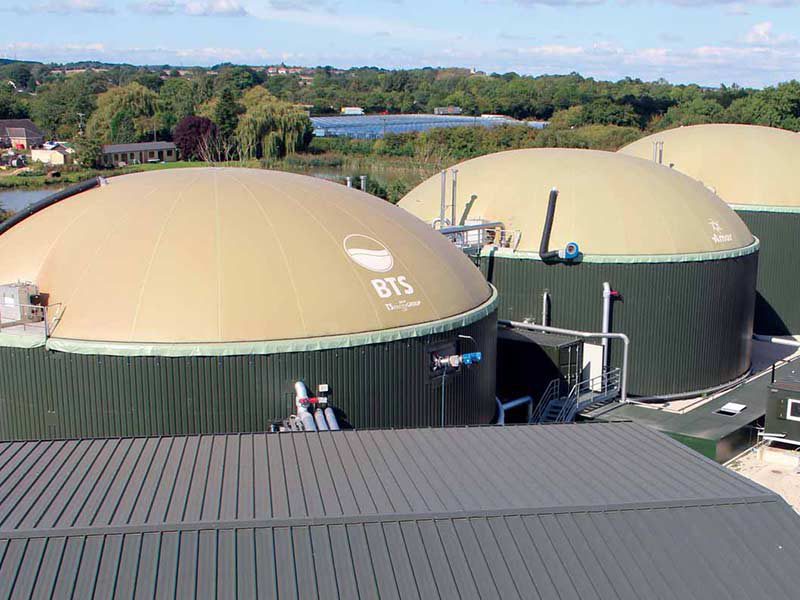
The Maltings, South Milford
The Maltings site was acquired in 2004 to become our organic and food waste processing site. The former John Smiths malting facility has stood for over 130 years and was chosen due to its former application, location, existing infrastructure, buildings and machinery.
With a current permitted total capacity of 285,000 tons per annum, The Maltings is one of the largest and most comprehensive biowaste, organics and food processing sites in the UK.
Anaerobic digestion ‘soup’ production stands at 150,000 tons, with our soup systems providing high-spec high-gas material to a number of AD facilities for over 8 years.
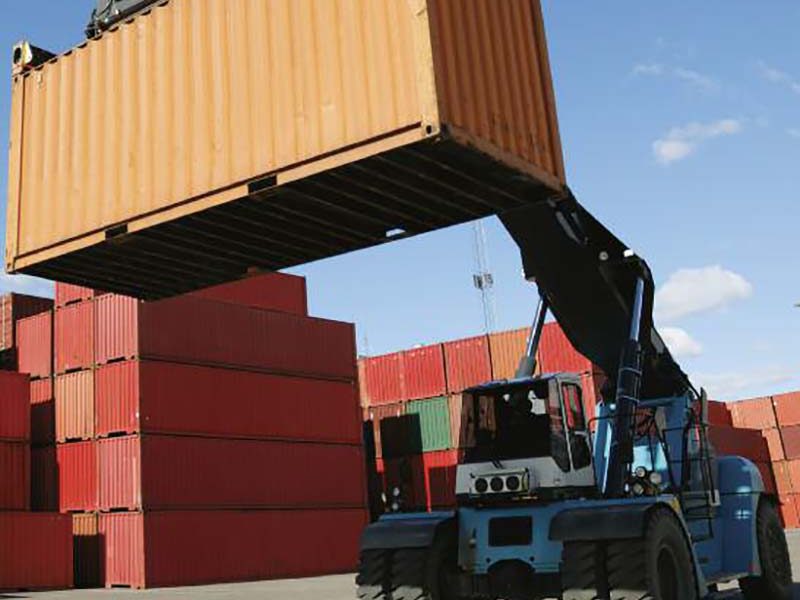
Goole
The facility in Goole is a former landfill and was used during the 1980s for depositing the inert material during the building of the quayside and dock areas by ABP.
The site covers 5.9 hectares and was granted planning permission in 2007 by East Ridings Council for an MRF, transfer station and hazardous waste facility.

Hull
Formerly known as ‘Recketts’ or ‘Holliday Pigments’, the Hull site was formerly used to make ultramarine pigment and has a history of dealing with vast amounts of chemicals and running under Integrated Pollution Prevention and Control (IPPC) directives.
The site had threee acres of kilns which ran at temperatures of over 1,000 degrees celcius along with the largest chimney structure in the area, with a stack reaching 141 metres tall. In the past, the site was adapted to reduce stack emissions and an £11 million FGD plant was built on-site, opened by John Prescott.